
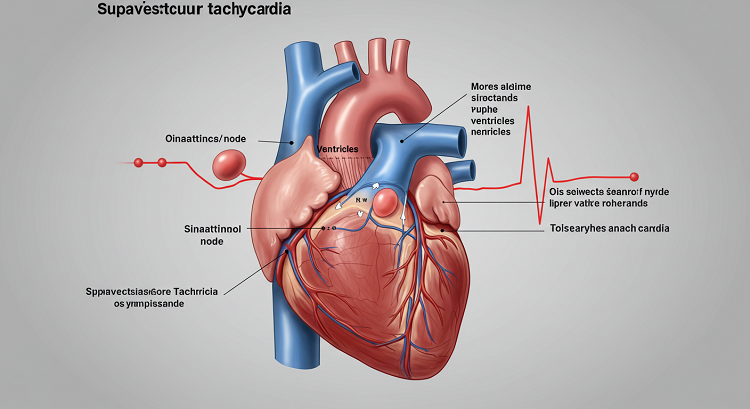
A racing heartbeat can be unsettling, especially when it happens suddenly and without warning. For many, this experience is linked to supraventricular tachycardia, a condition that affects the heart’s rhythm and can cause episodes of rapid heartbeat. While it may sound alarming, understanding the condition, its triggers, and treatment options can make a significant difference in managing it.
What Is Supraventricular Tachycardia?
Supraventricular tachycardia, or SVT for short, is a form of irregular heartbeat that originates in the heart’s upper chambers. The heart beats significantly faster than usual in SVT because electrical signals fire too quickly. These episodes can start suddenly and end just as quickly. They can last seconds, minutes, or even hours.
Common Symptoms to Look Out For
Not every episode of SVT feels the same, but common symptoms include:
- Rapid heartbeat or palpitations
- Shortness of breath
- Dizziness or lightheadedness
- Chest discomfort or tightness
- Fatigue after the episode ends
In some cases, especially in children or young adults, SVT may not cause noticeable symptoms at all. However, recurrent episodes should be evaluated by a healthcare professional to rule out underlying heart conditions.
Possible Causes and Triggers
SVT can affect people of all ages, and in many cases, it occurs without a clear underlying cause. However, certain factors can increase the likelihood of episodes, such as:
- Stress or anxiety
- Caffeine or alcohol consumption
- Smoking
- Certain medications or stimulants
- Underlying heart disease or congenital heart defects
Some people experience SVT only occasionally, while others may notice frequent episodes triggered by lifestyle factors. Identifying personal triggers can be an important step in managing the condition.
How Is SVT Diagnosed?
Since episodes can be unpredictable, diagnosing supraventricular tachycardia may require several tests. A doctor might use an electrocardiogram (ECG) to detect abnormal rhythms, but if the episode has passed, portable monitors like Holter or event recorders can track the heart’s activity over time. In some cases, an electrophysiology study is performed to pinpoint the exact cause of the abnormal signals.
Treatment Options for SVT
Treatment for SVT depends on its frequency, severity, and the patient’s overall health. Common approaches include:
- Vagal maneuvers: Techniques like coughing, holding your breath, or applying a cold stimulus to the face can sometimes stop an episode.
- Medication: Antiarrhythmic drugs may be prescribed to prevent or control episodes.
- Catheter ablation: A treatment that breaks up the heart’s bad electrical pathway with little damage, often leading to a permanent cure.
For people with occasional, mild episodes, simple lifestyle adjustments and awareness of triggers may be enough to control the condition.
Living with Supraventricular Tachycardia
With proper management, most people with SVT lead full, active lives. Tracking episodes in a diary, managing stress, limiting stimulants, and following medical advice can significantly reduce the frequency of attacks. For those undergoing treatment, regular check-ups are essential to ensure the heart remains healthy and responsive to therapy.
When to Seek Immediate Help
While SVT itself is rarely life-threatening, it’s important to seek immediate medical attention if you experience:
- Severe chest pain
- Fainting or near-fainting spells
- Shortness of breath that worsens
- Episodes lasting longer than usual or occurring more frequently
Prompt care can rule out more serious heart issues and provide effective intervention.
The Bottom Line
Supraventricular tachycardia may sound intimidating, but it is a manageable condition when properly understood. By recognizing symptoms, identifying triggers, and exploring treatment options, patients can take control of their heart health. Whether episodes are rare or frequent, early diagnosis and an open conversation with a healthcare provider can help ensure the best quality of life.